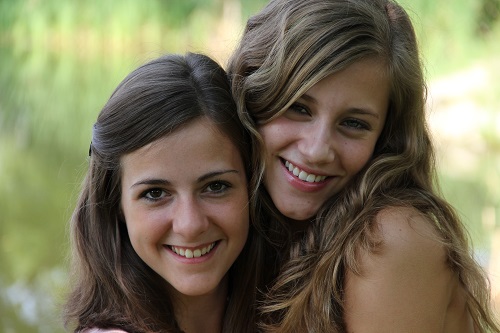
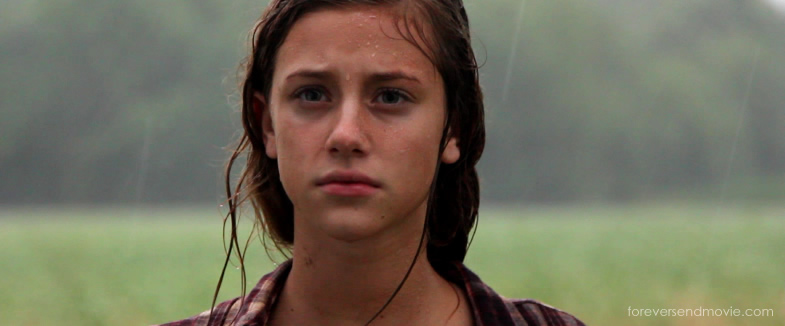
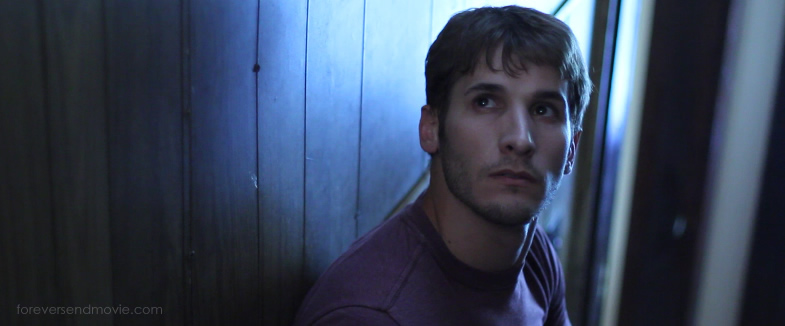
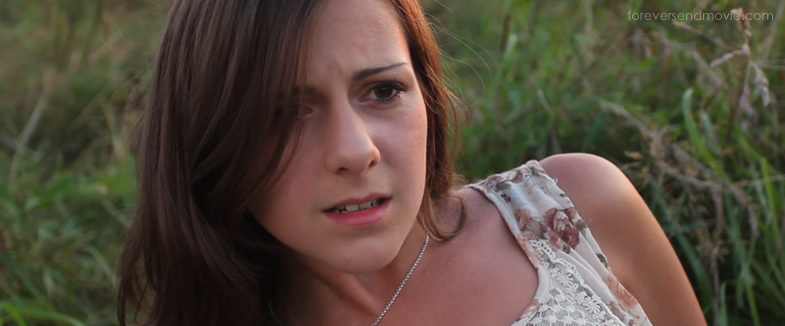
Forever’s End – Official Trailer…
The first official trailer for FOREVER’S END has been released! Check it out below…

Our goal in designing the look for “Forever’s End” (FE) revolves primarily around creating a realistic and convincing “world” that the characters inhabit. FE takes place roughly six years after an unexplained post-apocalyptic event has devastated the world.
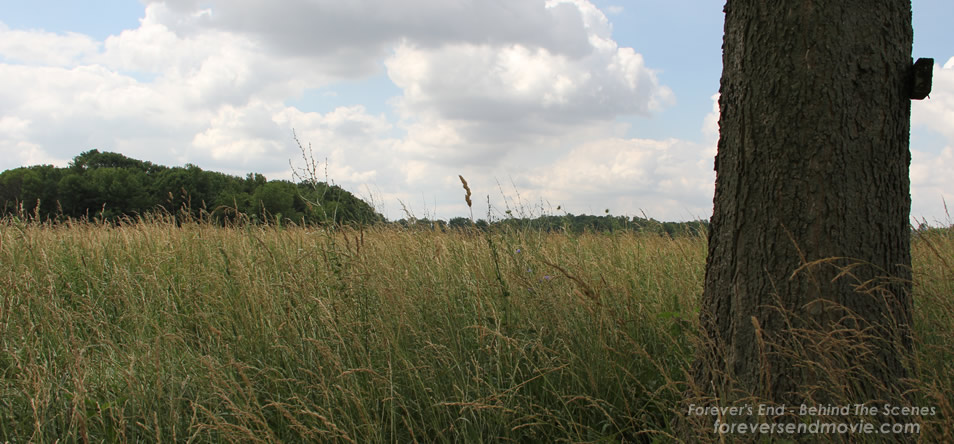
That said, my vision for FE is that I didn’t want a “traditional” feel that most of us attribute to apocalyptic movies, where everything is depressingly de-saturated, dark-greys, and dead. Instead what I was going for was a much more simplistic, but beautiful emptiness. My goal with the film was to keep it realistic, the world has ended, the people are all dead and gone, but the world itself is not. Buildings are now all old and run-down, but nature is blooming, the grass is green and overgrown, there’s a very lush feel to the movie which is in stark contrast to our main character’s years of solitude. I wanted the “emptiness” feeling instead to come from the idea of a single girl alone in a big empty house, which is itself lost in a sea of overgrowth… with nothing but overgrown fields and forest for miles in every direction.
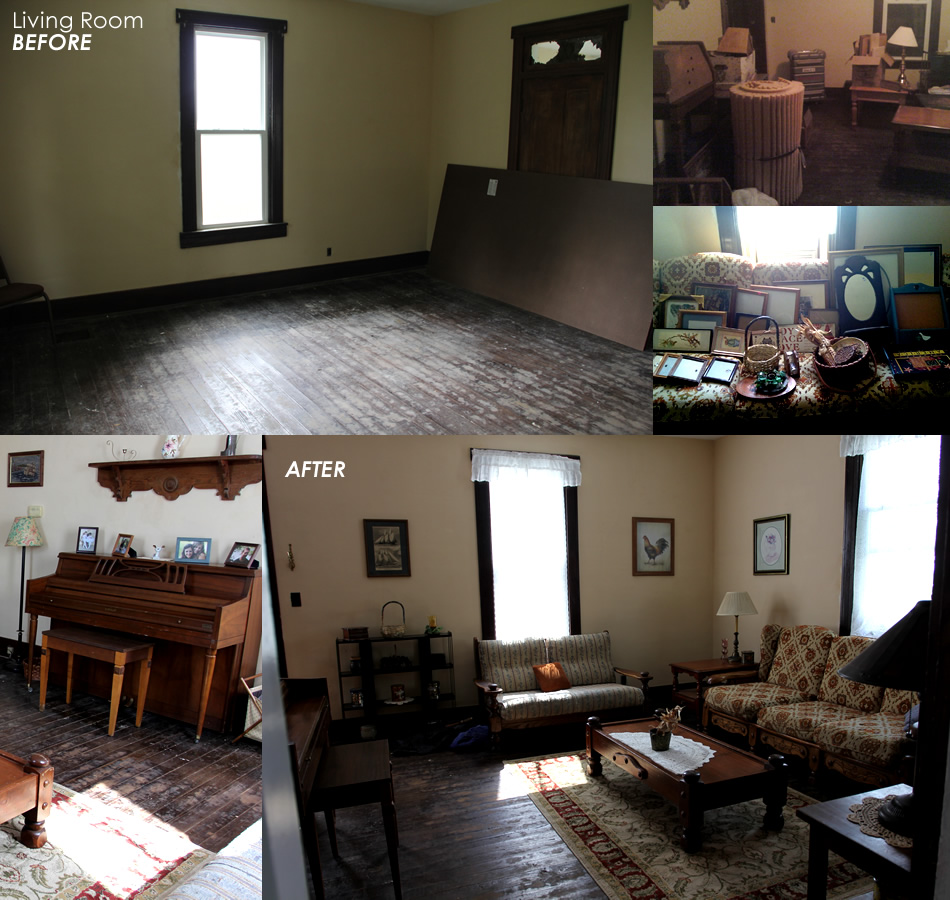
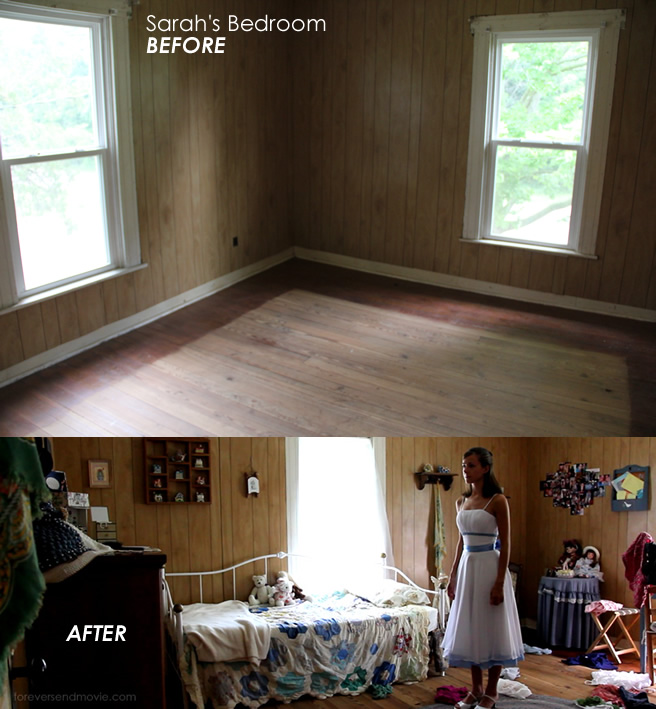
The film takes place, in large part, in and around a remote farm and farmhouse where the lead character, Sarah, has been held up, alone for as long as she can remember. We looked long and hard to find a house location that fit the bill, an old, empty hulk, surrounded by overgrown grass and weeds. What we found was just that, built in the early 1800’s with very little work done to it, original wood siding, metal roof, wood floors in every room, it was a fantastic find… what’s more, it was completely stark empty… which means we brought in every single item of furniture, every picture frame, every fork and yes, even every curtain into the place… specifically designed for the film.
The first thing to remember is that this is Sarah’s old family home, so it has to look as if it’s been there long before the world ended and has only in recent years become run-down (primarily on the outside, Sarah is somewhat of a neat-freak and taken good care of the interior… after all, what else does she have to do with her time?). That said, the concept was that the house would likely have been decorated by her mother and father decades prior and apart from a few updates, everything has since been frozen in time.

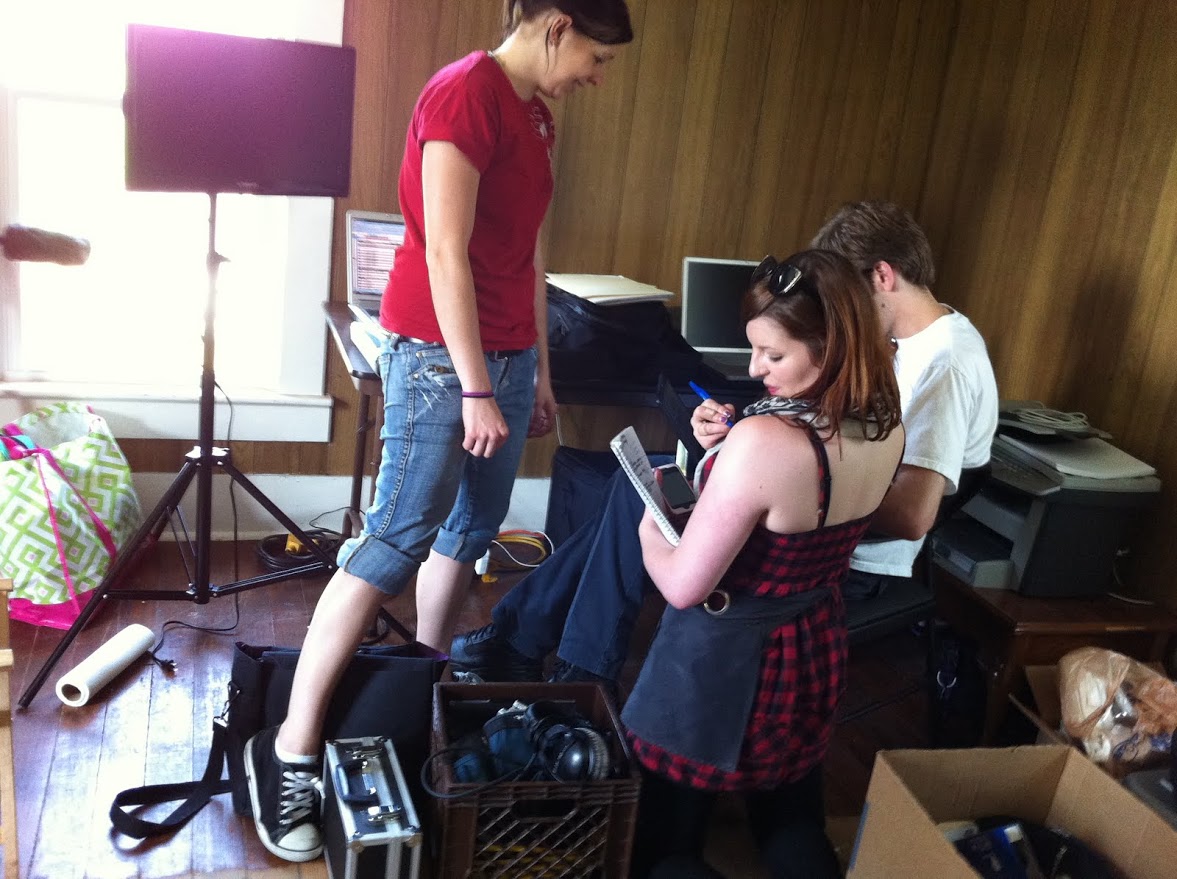
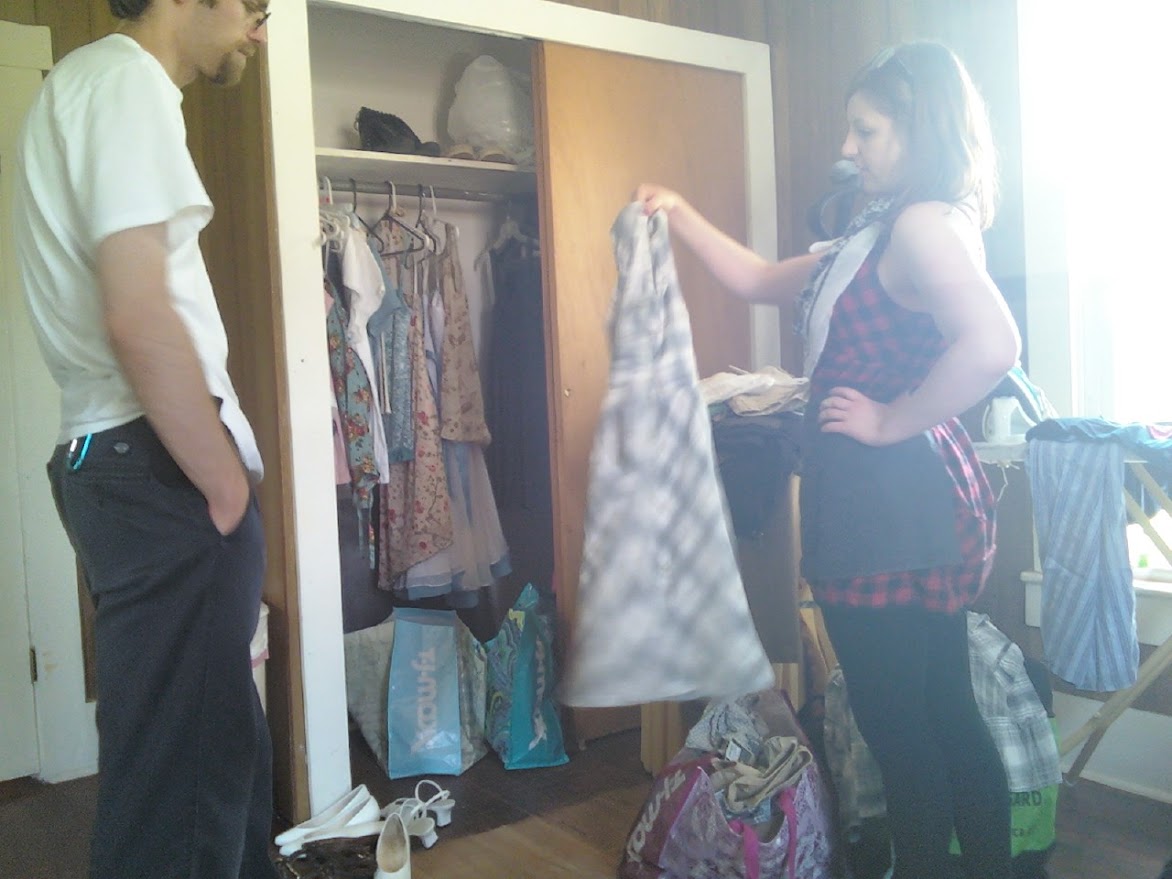
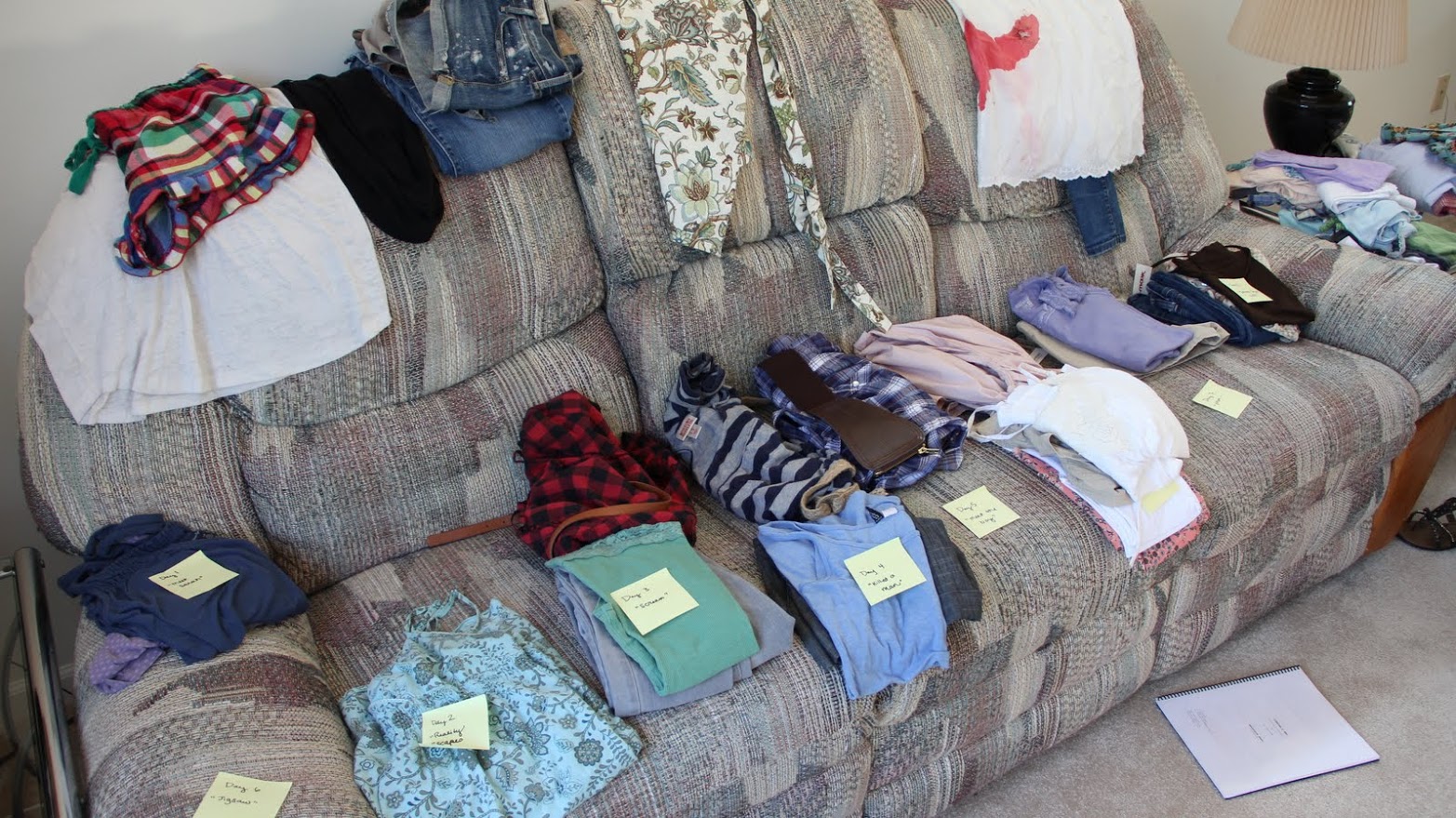
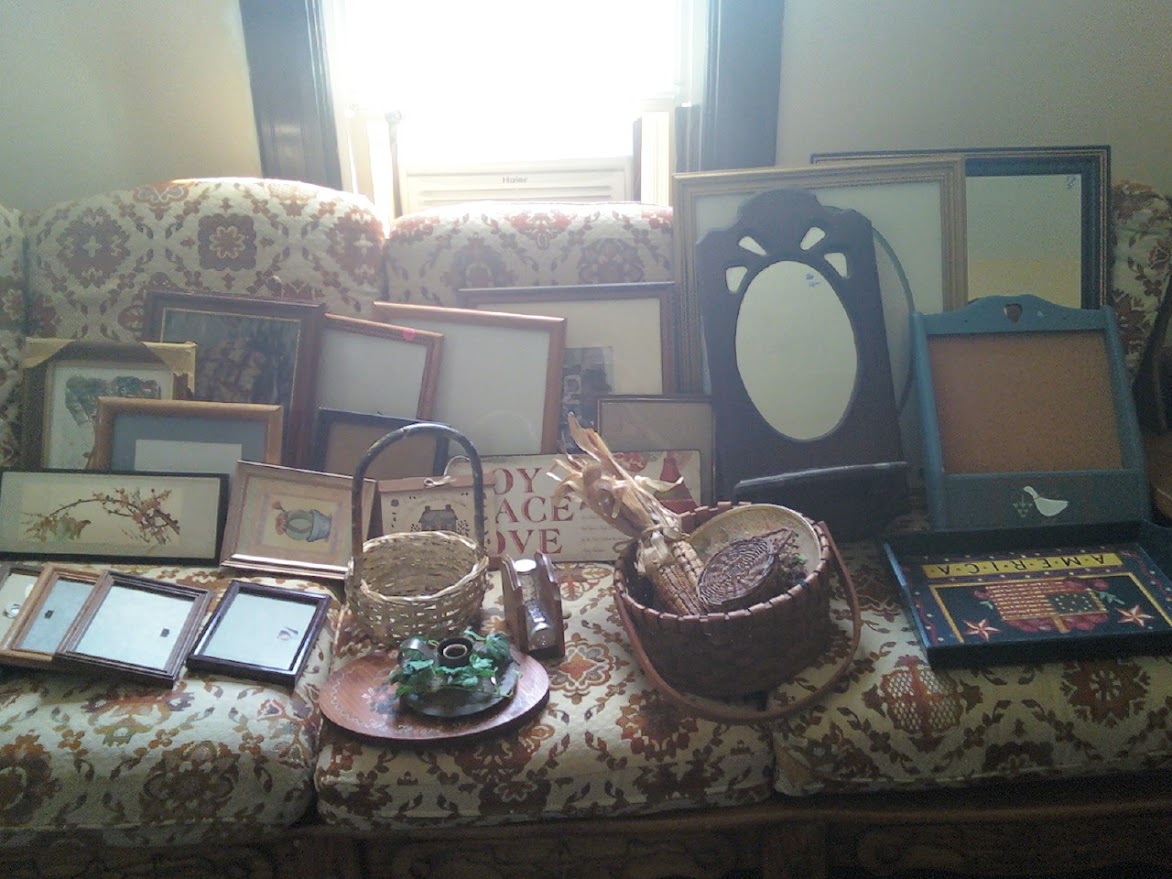
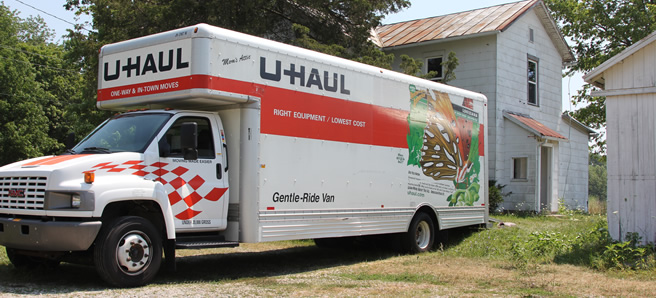
We went out and purchased, rented, or borrowed literally truck loads of old furniture, trinkets, curtains, bed sheets, dishes, lamps and even a piano… a whole house-full of stuff. Because we didn’t want anything to be “new” or look too nice, at one point we had about a half dozen people going out to garage-sales, thrift stores, estate sales and antique shops in 6 neighboring cities in 3 states, anywhere that we could find items of the correct look, feel, and age to fit the bill. Funny thing is, you don’t realize how much stuff you really need to fill an entire house until you start to unpack it all in the space. We brought in the first truckload of stuff the week before principle photography, then realized we had dramatically underestimated how much we would need to fully fill the place… we were still bringing in and adding new items throughout production as we began shooting more and more of the house. By the end of the shoot we accumulated so much art department stuff that we filled a 26-foot truck, several vans, and a pickup.

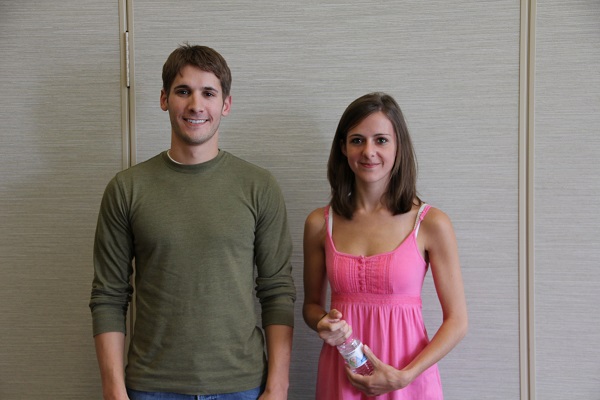
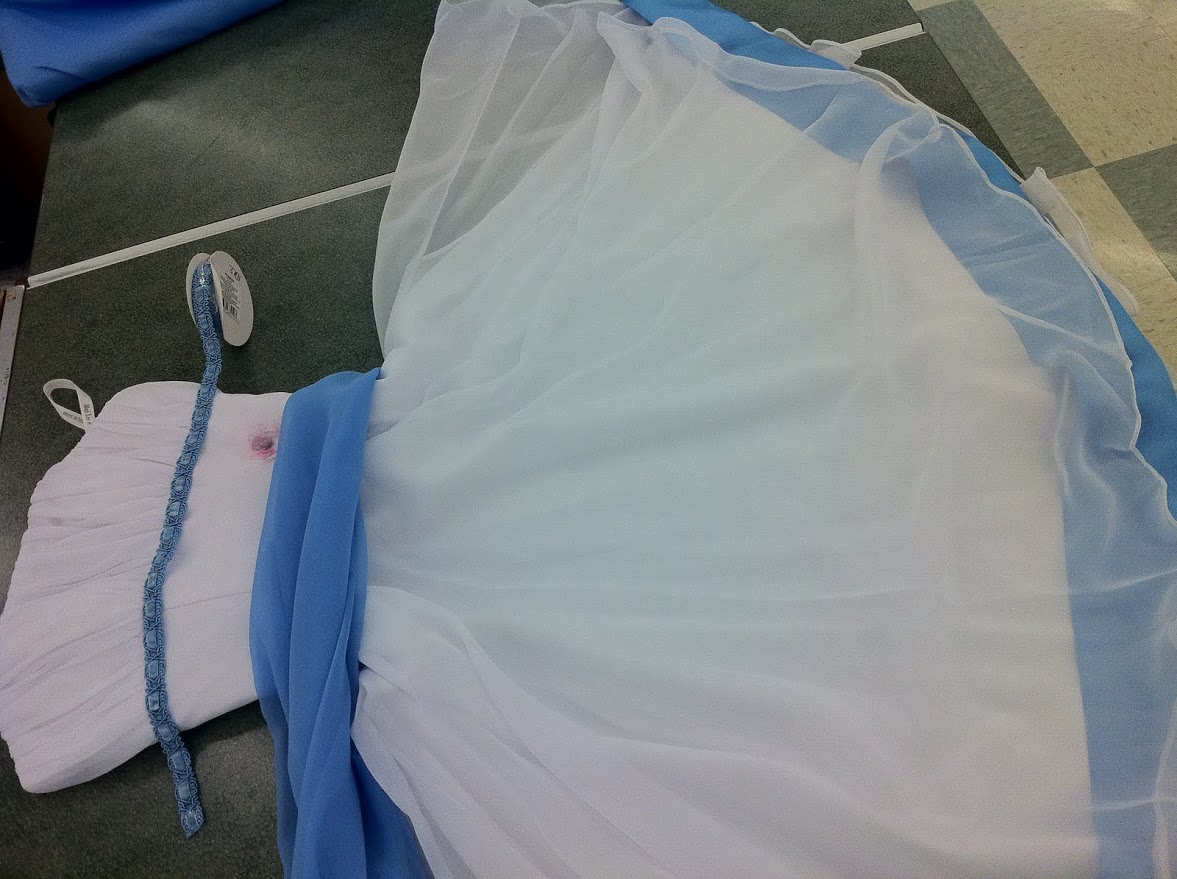
I’ve added a few photos to this post which give you the general idea of the “before and after” look of a couple of the rooms. The change is honestly quite remarkable, there’s just so much detail there most people will never even see on film (or in these pictures). I’m very proud of the results and while these pictures really don’t do it justice, once you see it in the film, if we did our job right, you won’t even be paying attention to the details, the little notes posted on Sarah’s corkboard, or the 50+ photographs in a montage on the wall in the corner of her room (which, by the way, are actually real pictures of Charity –the actress who play’s Sarah- growing up with her friends).

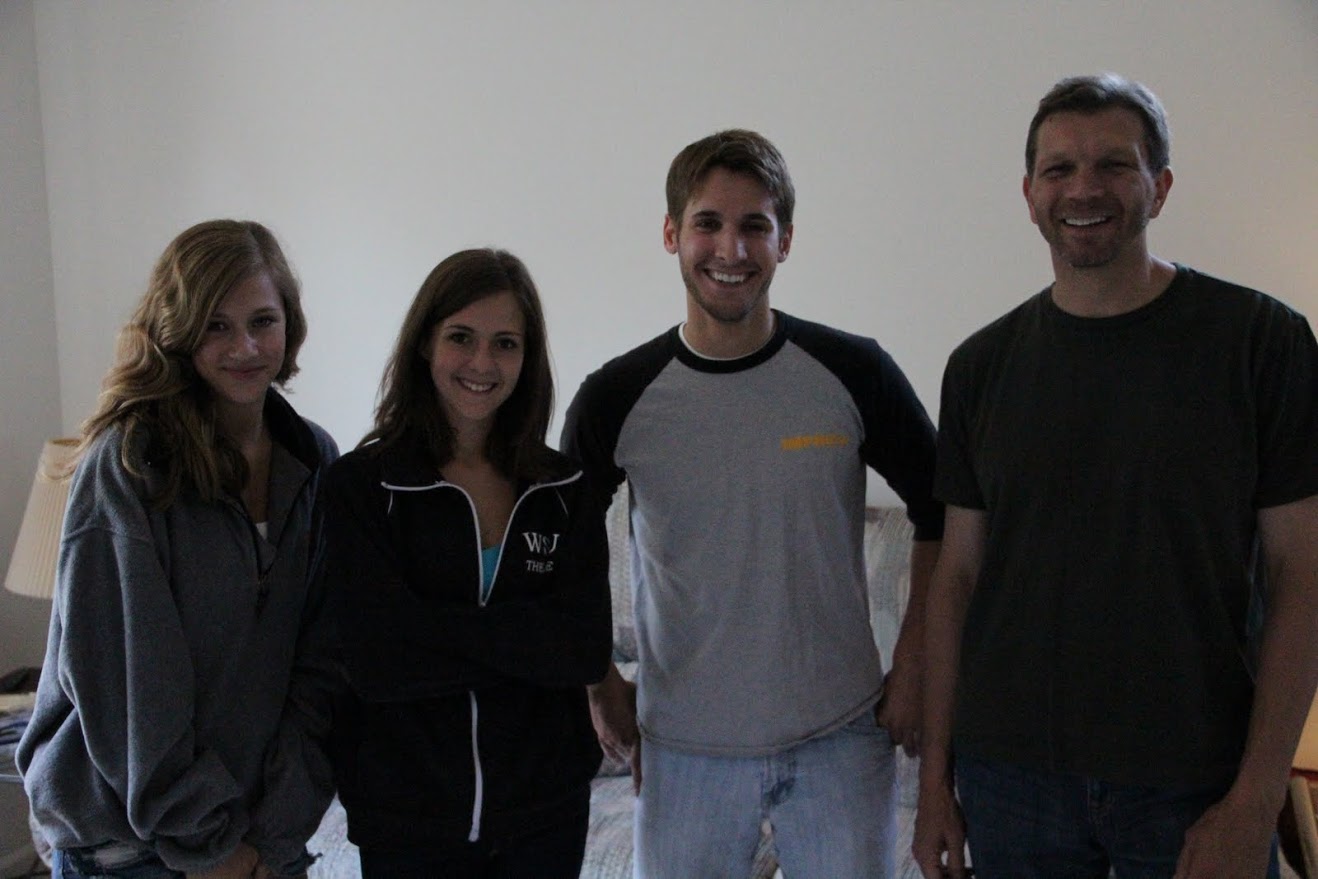
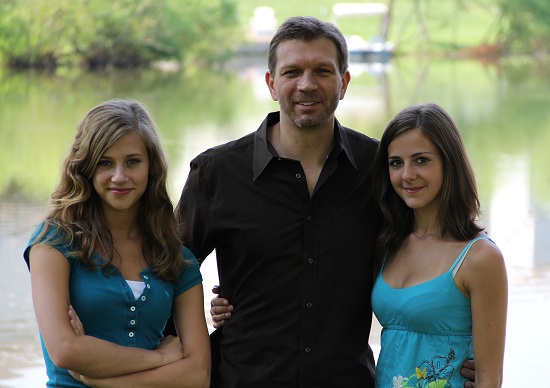
(All photos courtesy of the FE cast and crew)
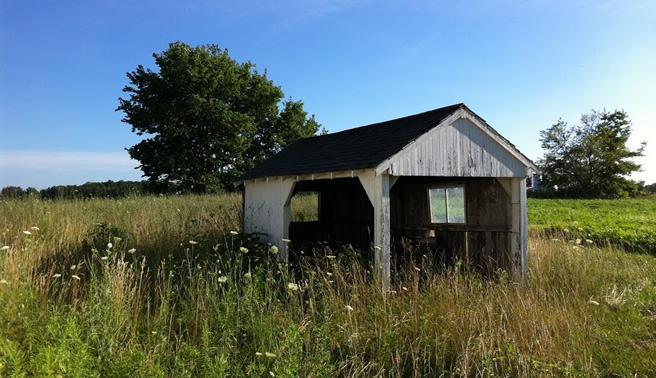
(above) – location scouting image from Forever’s EndOne of the hardest parts about shooting a film that takes place in a post-apocalyptic world is the issue of finding locations that have the right look and feel and are also convincing in order to immerse the audience in not only the story, but the world we’re creating for “Forever’s End” (FE). Also, since we’re shooting the film entirely on location, the locations become a character in the film, so for us, there’s no room for error, the locations have to be perfect.
While there are city elements to the film, FE, in large part, takes place in and around a remote, long forgotten farm. Due to a somewhat rigorous shooting schedule, we needed to have this location available to us 24/7 for a full month. Not only that, we couldn’t just use any old farmhouse. It needed to be a specific age and feel, it had to be an 1800’s built house, un-updated and in poor condition, but not so bad that is was not habitable. The key here is that someone still lives there, but the house itself and especially the outlying area, barns, surrounding fields and grass need to look as if they had been untouched in years, no cut grass, new siding, or growing crops. This was also one of the hardest locations to find. In the week or leading up to me flying out to Ohio to start on-location pre-pro, our Line Producer, Lindsay (working with several local location managers/scouts) put out word to find some potential sites. By the time I flew in, she had me booked to see a half-dozen potential farms/houses for the first two days I came into town. Since the rest of the schedule and logistics revolved primarily around me selecting our main location, this had to be done immediately.
Keep in mind that given our time-table going into production on this film (which was based mainly on the availability of cast and crew as well as budget constraints) we only had about 3 and half weeks of actual full-on pre-production for the whole film. That includes location-scouting, permits, crew hiring, production design, costuming, rehearsals… everything from finalizing production insurance to booking hotels and flights on top of all the creative elements. From the time the film was financed to the first day of filming was less than six weeks… keep in mind that I also wrote the entire script in that first week, cover to cover. While that doesn’t’ seem like much time, we have an incredible team on board that pulled it off right on schedule without a hitch… it’s always wonderful working with experienced professionals that are efficient and effective, putting out amazing work on a deadline.
That being said, after looking at a number of potential farms, and a lot of deliberation, I finally picked a farm located just outside of the small farming town of Eaton, Ohio, which is located southwest of Dayton, Ohio, near the Indiana state line. I picked this specific house for a couple main reasons… first and foremost: the look and feel of the house. It felt old and somewhat run-down, but lived in.
Secondly, the house wasn’t huge, but featured large rooms with lots of floor space, making it easy to move around with a film crew and camera in the space, and lots of windows (there were at least two large windows on different sides of each room) which helped incredibly in making the lighting of many scenes that much simpler (see my blog post on shooting with “Natural Light” HERE.) Another reason is that the house was completely empty, which meant that we could do whatever we wanted Production Design wise with the interior of the place (more on the Production Design for FE in my next post). Lastly, of the several farms/houses we considered, this one was the most logistically sound location. It was within just a few minutes of major stores, restaurants, and only 15 minutes from Richmond, IN, where our hotels were located. Now, it’s also important to note that because of its location we were not able to shoot any exterior wide-shots at the house itself, instead, we found a similar house (that the interior was not ideal for) located near the tiny town of Corinth, KY –literally the middle of nowhere- which we used for most of the exterior wide shots/scenes, just shooting a few days there instead of a month or more.
(above) – Eaton, Oh farm used in FE Using completely different interiors and exteriors as the same location is commonplace in film, when cut (edited) together correctly, the audience would never guess that it’s not the same place (or in our case, a location more than 100-miles away). Funny thing is, just as I’m writing this, Joss Whedon’s “Avengers” is shooting in three different cities, including Cleveland, playing it off as New York city (none of the cities they’re shooting in are actually New York), they will cut in wide-shots and you’ll never know the difference once it makes it to the big-screen. Just like most TV shows and movies will film inside (on a sound stage/set in a studio) one minute, then walk through a door and magically cut to a city street or rural neighborhood. We’re using the same principle on “Forever’s End”. If we do our job right, you won’t even think about it (unless, of course, you just read this blog) .
Now that we choose that primary location (we’ll, two locations as it may be) we moved on to finalize our fantastic city locations. The city in the film itself is never really defined as one particular city, so we decided to use downtown Cincinnati as the backdrop to those scenes. I can’t say much more about that specifically at this point (I don’t want to give away too much about the story) but let’s just say we get to shut down streets and shoot some fabulous scenes!
Now that we had selected all our locations (in addition to Eaton, Corinth and Cincinnati, we also selected locations in Newport, KY and West Chester, OH) we finalized permits and worked through the hell that is the logistics needed to bring a film crew to town. A huge thanks to our Line Producer, Lindsay Rice, for being a godsend and managing most of these details so that I could move on to the fun stuff… Production Design, Camera Tests, Costumes/Makeup Tests, Rehearsals, and all the great creative goodness that is Pre-Production… more on all that in my next posts.
Hey all! Just wanted to drop a quick note here and let you all know that I’ll be starting to add a plethora of blog updates that I’ve been accumulating over the course of production for “Forever’s End”. Given that I was on location in Ohio for more than two months for the film (primarily living out of hotels) and working crazy hours on set directing, producing, and shooting the film, I simply didn’t have time to get all these posts written and posted.
That said though, I’ll be adding a large number of these back-logged production posts over the next few weeks… so keep checking back in every few days, I’ll try to post them all in chronological order for more easy readership. I may also drop in a few exclusive production photos and other media, so stay tuned!
-JC

I’m very excited to announce that my indie feature “Forever’s End” officially got the Green Light this week after a private investor stepped forward to fully finance the project! That said, we’ve already begun pre-production prep and will be shooting the film in and around south-western Ohio this July, aiming for a late 2011/early 2012 release.
We’ve got a LOT of work to do between now and July, but my entire production team is already on board and ready to get this party started! Stay tuned to this blog over the next couple months as I’ll continue to post updates about the making of the film as we go through the various stages in the production process. For now, though, If you haven’t yet, you can check out some exclusive artwork and stills at the film’s official website: www.foreversendmovie.com

As many of you are likely already aware, I’ve been writing a psychological thriller titled “Forever’s End” which we just announced a couple weeks ago, and a few weeks back I found myself wracking my brain to find the right “sound” that matches this particular story. The film (for the most part) takes place in a desolate post-apocalyptic world, following a lead character who’s been on her own for almost a decade. So, how do you write a highly-entertaining, edge-of-your-seat thriller about someone who’s stuck in the middle of nowhere? Then I realized, those are often the most intense, creepiest stories I like best… the trick is building, then keeping the tension high from start to finish. Now, if you’ve been following my blog, you’ll know that I always listen to music when I write, it helps me build a mental/emotional soundtrack to each scene, but this time around it’s been rough. Finally, after two weeks of banging my head against the wall, it hit me.
Now, for the last seven or so projects I’ve written, music has played a huge part in getting me in the right mood to create a specific scene with a specific emotion, and that’s worked to strikingly good effect. I have often spent long hours trying to find just the right song with just the right emotional impact that fits the scene I want to portray. In this specific case, however, no matter how many songs I played, none seemed to fit… when I’m in “the zone” so to speak, writing wise, I’m not easily distracted, but no matter what I played this time around, it would actually keep me from being able to write anything at all. Needless to say, this was terribly frustrating.
So, irritated, I shut my computer off and just sat there, staring at the wall, thinking. It was about 1am, I was sitting at my desk, half in the dark in my LA apartment. It was another beautiful night, so I had the window open. Now, I’m on the 3rd floor and given that this is LA, there’s almost always noise, cars driving by, helicopters, people, dogs, whatever– regardless of the time of day (or night), but last night was strange, at 1am there wasn’t a single car, not a single sound but the breeze ever so lightly blowing through the window. As I sat there, staring at the wall, the complete lack of noise is what finally struck me… “silence” is not a word I would ever relate to LA, so this was very strange, so much so that I realized exactly what I was doing wrong. It wasn’t that I hadn’t found the right music, it’s that what the scene needed was no music, nothing at all.
For the first time in a week, I sat down, grabbed a notepad and pen, listening to nothing but the breeze and started frantically scribbling down notes. In a frenzy, ideas and scenes started to come into my mind so quickly that I was rushing to put them down on paper before the next one made me forget the previous. Honestly, the whole situation kind of freaked me out, this is what usually happens when I find that right “song”, with my computer up, typing away… not when I open a window and stare at the wall. I wrote until I was too tired to keep my eyes open, but when I finally read all my notes the following morning (which was a bit of a task, when I’m writing fast my handwriting is almost impossible to read… even for me) I was astounded at how well all the pieces fit.
Now, for obvious reasons, I can’t tell you the entire story here (as much as I’d love to), and of course, I’m a little biased, but honestly I think this, my friends, is gonna be one hell of a story, and an even better film. Now, for all those of you freaking out about the music, there will still be a good deal of it in the film, it is a thriller, not a silent film, but the trick with music (especially in this film) is knowing exactly when to use it and when NOT to use it, since, if done right, silence can be just as powerful a tool to keep an audience on the edge of their seats.

So, I’m asked rather often “how we did” this or that on a given film project. One thing I absolutely love about the process of making films (especially lower-budget productions) is the challenge of figuring out how to accomplish a look and feel that is right not only for the film, but is able to convince the viewer that the film was made for much more money than we actually spent on it. It’s not a matter of “tricking” the viewer, rather a matter of knowing how to produce something of extremely high quality with very little cash. The key here is knowing exactly what you NEED and what you can do without. As with any production, but even more so the lower the budget the project, planning, planning, planning makes ALL the difference. In the era of modern production, you don’t need to spend a million dollars on a 35mm film rig, or even $150k to rent a full-size grip truck for a few months. You need to know exactly what you intend to do and exactly what you need to accomplish it correctly so that the quality of the finished product is retained and your cast and crew remain happy without a single dollar wasted… it’s about bringing efficiency to the max without ever giving up anything to retain the quality. Now, about 90% of figuring this out comes from years of experience, so you can judge exactly what it is that you need. Having the right equipment and people to do the job is essential, you can’t make an amazing movie without the right tools, but you may not realize how many of those tools you can do without 90% of the time because you may not have actually needed them to start with.
For explanation sake, let’s use the “Forever’s End” promo (below) as an example, take a look (promo starts at: 1:08):
While we haven’t shot the entire film yet I think we’ve accomplished some really fantastic results for this little gem of a promo. First thing to understand is that nothing in this promo is there by “chance”. From initial script to finished product, it is all extremely pre-planned and very specific. It started off with a great, but short (2-page) original script/poem based on the actual feature we intend to shoot. The script was then dissected and broken down into production elements, scenes, locations, shots, etc.. I did several days of location scouting (in Ohio.. where the feature film will also be shot) to find locations with the right “look” and feel (especially in the field and city sequences) just as we would do for any of our feature-length projects. I cast the promo (and film) with actors I know to be extremely talented and have worked with before, so there’s no surprises and little (if any) prep-time needed for the shoot, they already understand me, how I work, and what I expect of them. The shoot was then scheduled and shot in less than 14 hours shoot time over 2 days. The entire promo consisted of a crew of five experienced, professional filmmakers (Director/DP -me-, Gaffer, AD, FX Makeup artist, and PA)… five people, that’s it (all but one of which I’ve also worked with before, again, no conflicts on set, no surprises). Half the field shoot was done with only two people and our cast… Why? We didn’t need any more. The whole shoot, including the city sequences was shot using only 3-lights, only the exact amount we knew we needed to do it right (see my prior post on NATURAL LIGHT to see how this can be accomplished).

What this means is that our only expenses (other than food/gas costs) were the costs of renting a small generator (to power lights outside at night) and hiring police for our one, 4-hour downtown city shoot. Locations were specifically chosen based on look, available/natural light and cost. Other than the generator, 100% of the equipment used is equipment my company already owns. The post-production work was also taken down to the basics. I edited the promo myself, did all the original sound FX/audio mixing and mastering myself on my own time = zero cost. Douglas (our composer) was kind enough to provide music for the promo and a new friend of mine, Tobias @ RaveFX did a nice FX shot for us. I dropped all the pieces in, threw together the “intro” and posted it online (whole project took a few weeks from shoot to release – would have been done in only about 5 days total pre-through-post if we didn’t have to wait for some of the elements to come in, but in all, not a bad release window, especially given that no one was paid for their work, everyone donated their time). The results are what you just watched. Efficient, effective, quality, true “indie” filmmaking at it’s best… but I’d bet even a lot of filmmakers wouldn’t have been able to guess how we pulled it off for the budget we did… practice makes perfect.
That being said, and coming into the concept of the feature “Forever’s End” from this same perspective, is the main reason we’ll be able to shoot a simply fantastic, complete feature film for a seemingly minuscule budget… believe me when I say that it certainly won’t look like it’s some other “low budget” movie, our goal with everything we do is to continue perfecting the art (and it is truly an art) of balancing cost vs. high production value. Our goal is to make films that are the quality of multi-million dollar studio productions for anything but, and we do this on all budget levels, we have a $500k feature project in development right now that will easily look like a $25mill production. I’ve been lucky enough to build a team that is not only comprised of extremely talented, consummate professionals, but also a team that understands how to get a world-class quality film from a grain of rice. It’s not as easy as it looks, experience really does make all the difference, and we’ve been literally working for almost a decade to perfect the process (and still, everything we shoot looks better then the last)… but when it comes down to it, the results are what you just saw in that promo. And it’s not just a one-off thing, we’ve been able to duplicate those same quality results for years, which is also why we’ve been attracting bigger and bigger names to our productions and interest from both indie producers and major film studios a-like.
Filmmaking is just as much a business as it is an art. From my experience, a good Director needs to understand not only the creative aspects of the process, but also the business, the paperwork, the marketing, the statistics, the cost vs. R.O.I. that distributors/studios expect. It’s great to go out and make a movie, it’s better to make a good movie that people will actually SEE. As a “multi-hyphenate” filmmaker [writer-director-producer] for me it’s essential to keep all these elements in mind when developing any new project, especially when you’re working on a budget. Sometimes you’ll succeed, sometime’s you’ll fail, but you’ll always be confident in knowing that you’ve made a quality product that was worth the time and investment.
Hey all! So, while we’re working on a number of projects (that are taking much longer than I’d like to solidify), we’ve decided to give the ultra-indie route another try! I’m really, really, excited to announce my next film, “Forever’s End”! This is an “audience funded” project which I’m writing and will be directing (if our funding is successful). I’ll be posting updates about the project every week or so here on my blog, so check back often!
Also check out the film’s official site here: www.foreversendmovie.com!
This is one movie we literally cannot make without your help, so spread the word!
Everyone seems to have their own take on lighting, most studios/gaffers generally like to light the crap out of everything, while there’s nothing wrong with that (there are some times in larger productions when many lights are needed), most of the time (unless they’re going for some psychedelic party, sci-fi look, or artsy scene) all they are trying to do is “amplify” or “duplicate” what would be “natural light” in the scene itself (or fake it to “look natural” on their subject where there is no natural light – it’s all about “controlling” light)… they do this by using truck-loads of high-powered fixtures (traditionally what you’d recognize or have seen in behind-the-scenes of films as “movie lights”) and they have full departments on sets known as the “G&E” or “Grip and Electric” departments (crews of dozens of people) dedicated just to this.

-Picture from the set of Warner Bros' 2007 release "I Am Legend" lighting a scene near the Brooklyn Bridge in NYC-
While there’s nothing wrong with that (it’s worked for decades), my view is much simpler (especially with indie productions) why use dozens of lights, generators, crew, etc to “amplify” natural light when you can just shoot USING natural light? My view is very simple indeed: only add lights when you absolutely need them. Now—to be fair here, often the camera you shoot with dictates the amount of light needed in a shot for it to look right… until recently, most everything was still shot on 35mm film, which requires ridiculous amounts of light for things to read correctly on camera, but since new digital cinema cameras began to take over (especially in television) this is slowly changing, but still most “studio” shoots (digital or not) still bring in truckloads of lighting and grip equipment. I had the pleasure of working on an episode of HBO’s “True Blood” last year, that particular day we were shooting on location, and what stood out for me most was the sheer number of G&E trucks they had on location. Shooting in broad daylight, they still added nearly a dozen lights… now again, there’s no denying that in general, that show looks great, so it does seem to work for them, but it also begs the question, how much of that was really needed?
That said, personally, I absolutely love the look and feel of actual natural light especially for dramatic films; I use it as much as possible, whenever possible, and that was the entire concept in “For Today”. There was nothing fancy needed light wise, it’s a simple real-life drama and I wanted it to be as “natural” as possible. That said, one thing you should keep in mind is that this entire film was shot with only 3 lights. I intentionally selected a digital cinema camera & lens system (not one of the cheapo ‘prosumer’ cameras with built-in lens) that responds insanely well to low-light (and yes, the camera you choose to shoot on is extremely important!). Then the biggest trick is in the planning– specifically select locations that have a lot of natural light already. Then, picking and shooting at exactly the right times of day to get the best light coming in the right direction for each specific shot, often using large reflectors (‘bounce boards’) to reflect light where needed for the day-shoots (although since we were shooting in the winter with snow on the ground, we often didn’t even need the reflectors as the snow did most of the reflecting for us). Similarly, selecting interior locations with big-windows (corner rooms with windows on more than one wall are best), and exteriors for after dark, picking a location with specific natural light so that all we needed to do was add ONE light here or there to get exactly what we needed light/color temperature wise. The results are fantastic, here are some more stills from the film to show you what I mean:

-Still of Rebecca Richart from "For Today" - there was only one light used here, a single diffused light placed about six feet from her face mimicking a nearby street/flood light-

-Still of Charity Farrell from "For Today" - no lights were used here, just one bounce board reflecting light onto her face-
This just went up a few days ago… here’s the trailer for the short “For Today” we shot back in December:
You can also view this trailer and more info about the film on the official site: www.starcomproductions.net/fortoday
Also check out my “making of” blog post below — I’ll be posting more here soon, been crazy busy as of late, just now catching up!